Negative Environmental Impact from Poor Waste Disposal
Poor waste disposal is a growing concern, impacting the environment negatively in various ways. Understanding these impacts can help us take action towards sustaining a cleaner planet. Whether it's improper handling of household waste, industrial by-products, or hazardous materials, ineffective waste disposal practices contribute to a range of ecological problems.
Understanding Poor Waste Disposal
The term poor waste disposal refers to the incorrect handling and disposal of waste materials. This encompasses practices ranging from dumping waste in unauthorized locations to inadequate recycling measures. The consequences of such actions can be severe and long-lasting.
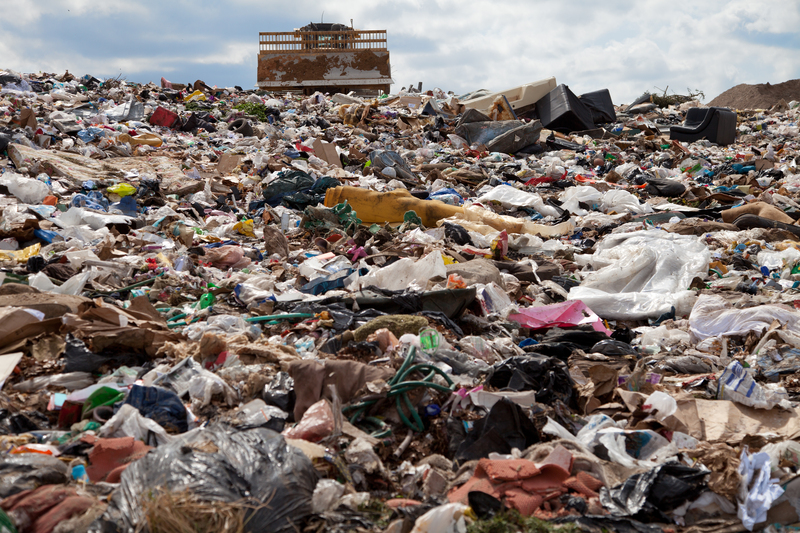
Types of Waste Affected by Poor Disposal Practices
- Household Waste: Everyday refuse including plastic, food scraps, paper, and glass.
- Industrial Waste: By-products from manufacturing and industrial processes.
- Hazardous Waste: Waste containing dangerous substances such as chemicals and heavy metals.
- Medical Waste: Biological and chemical waste from healthcare facilities.
How Poor Waste Disposal Affects the Environment
Poor waste disposal practices lead to a number of environmental issues, including pollution, habitat destruction, and harm to wildlife. Here's a closer look at some of the most significant impacts:
Pollution
Pollution is one of the most direct effects of improper waste management. It affects the air, water, and soil:
- Air Pollution: When waste is burned instead of properly disposed of, harmful gases and smoke are released into the atmosphere. These emissions can include volatile organic compounds and particulate matter which contribute to smog and respiratory problems.
- Water Pollution: Leachate from landfills can seep into groundwater, contaminating water sources. Rivers and oceans can also become polluted with plastics and chemicals, damaging aquatic ecosystems.
- Soil Contamination: Toxic substances from waste can degrade soil quality, affecting plant growth and compromising food safety.
Effect on Wildlife
Wildlife often falls victim to the harmful effects of ineffective waste disposal. Animals may ingest plastics and other waste materials, leading to injury or death. Moreover, habitats can be destroyed by encroaching landfills and pollution, leading to a loss of biodiversity.
According to recent studies, approximately one million marine animals die each year from plastic waste in the oceans. Birds, turtles, and fish are immensely affected, with many ingesting debris mistaking it for food.
Climate Change
The improper management of waste also contributes to climate change. Landfills, a common method for waste disposal, are significant sources of methane, a potent greenhouse gas. As organic waste decomposes anaerobically, methane is produced and escapes into the atmosphere, exacerbating global warming.
Economic Costs
Addressing the problems caused by poor waste management practices can be expensive. Governments may spend millions annually on clean-up initiatives, healthcare costs resulting from pollution-induced illnesses, and loss of tourism in affected areas. These funds could be better utilized in proactive waste management solutions.

Mitigating Negative Impacts of Poor Waste Disposal
Efforts to reduce the negative environmental impact from waste require a collective approach involving individuals, corporations, and governments. Here's how these stakeholders can act:
Individual Actions
- Practice reduce, reuse, recycle: Minimize waste production by choosing reusable items and recycling whenever possible.
- Properly dispose of hazardous waste: Use designated facilities for the disposal of batteries, electronics, and other hazardous materials.
- Participate in community clean-ups: Volunteer for local efforts to clear litter and promote a cleaner environment.
Corporate Responsibilities
- Adopt sustainable packaging: Companies can reduce waste by using biodegradable or recyclable packaging materials.
- Implement waste reduction programs: Businesses can create systems for efficient resource use and waste recycling within their operations.
- Engage in corporate social responsibility: Support environmental initiatives and educate employees about sustainable practices.
Governmental Policies
- Enforce stricter regulations: Implement regulations that hold companies accountable for managing their waste responsibly.
- Invest in waste management infrastructure: Support the development of recycling facilities and waste-to-energy plants.
- Provide public education: Launch campaigns to inform citizens about proper waste disposal and its environmental importance.
Conclusion
The negative environmental impacts of poor waste disposal are undeniable and affect every aspect of the ecosystem. With a concerted effort from individuals, businesses, and governments, these impacts can be significantly reduced. It is critical that we adopt sustainable practices that support a cleaner future for generations to come. In embracing our responsibility for the waste we create, we face an opportunity to foster an enduring, healthful, and sustainable world.